Remote operations: the overlooked lever for greener inland shipping
Europe wants more cargo on the water and less carbon in the exhaust. The sector cannot pay for both while crew costs keep climbing. Why the operating model is a sustainability question, not only a staffing one.
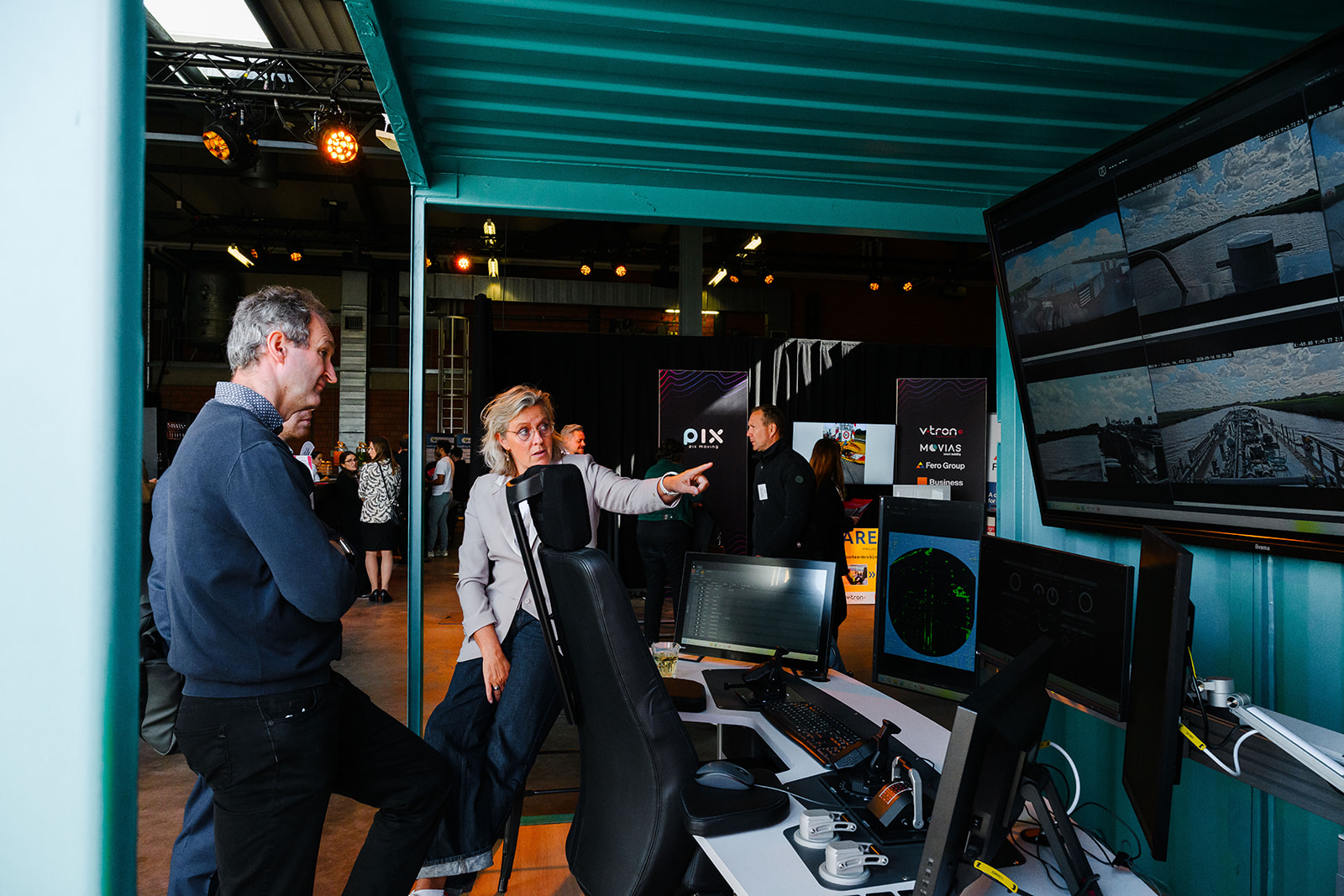
Inland shipping has the best climate argument in European freight. It moves a tonne of cargo with three to four times fewer emissions per kilometre than a truck, and it takes that truck off a congested motorway. Brussels knows this, which is why the Green Deal asks the waterways to carry far more freight in the coming decades.
The ambition is clear. The question nobody likes to ask is who pays for it. A modal shift needs vessels that sail. A cleaner fleet needs owners who can invest. Both depend on a business case that is quietly being eaten by one cost line: crew.
The Green Deal asks the waterways for two things at once
The EU's Sustainable and Smart Mobility Strategy and the NAIADES III action plan set two targets for inland navigation. First, volume: inland waterway and short-sea transport should grow by 25 percent by 2030 and by 50 percent by 2050. Second, carbon: the sector must follow "an irreversible path to zero emissions" by 2050. The CCNR roadmap under the Mannheim Declaration sets the same horizon for largely eliminating greenhouse gases and air pollutants.
Those two targets pull on the same wallet. More volume means more vessels in service and more hours sailed. Zero emissions means new propulsion, new energy carriers and in many cases new hulls. The CCNR itself estimates the financing gap for the energy transition at several billion euros, whichever pathway the sector takes.
Most of that money has to come from fleet owners, and most of those owners are small and medium-sized companies. Subsidy schemes help at the margin. They do not replace a healthy operating margin from which an owner can borrow and invest.
Crew costs are crowding out green investment
The crew shortage in inland shipping is structural, not cyclical. Experienced boatmasters retire, too few young people enter the profession, and research by Panteia expects a shortfall of 1,500 to 2,000 boatmasters by 2035. Scarcity has a price. Wages rise, and owners compete for the same people with ever better offers.
On our reference calculation for a traditionally crewed vessel, crew already accounts for roughly 40 percent of operating costs. Under continued labour-market tightening, that share trends towards 50 percent. Fuel is the other heavy line, at 25 to 35 percent of turnover across the sector.
This is where sustainability and staffing meet. Every euro that goes to competing for scarce crew is a euro that does not go to a hybrid drivetrain, a battery pack, an HVO conversion or a fleet renewal. An owner who sees the crew line climb year after year has every reason to postpone a multi-million propulsion upgrade. The vessel keeps sailing on the engine it has.
The risk does not stop there. When the cost per tonne on the water rises far enough, shippers move cargo back to the road. A business case under pressure does not only slow the greening of the fleet. It can reverse the modal shift the Green Deal depends on.
Slower sailing, same arrival time
Remote operations changes the cost structure in a way that pays directly into emissions. The clearest example is speed.
Under current rules, a crewed vessel stops when the boatmaster reaches mandatory rest hours. To make up for that idle time, vessels sail faster than they need to in the hours they do move. Fuel burn rises steeply with speed, so that hurry is expensive and dirty.
Once crew-reduced sailing is permitted, the boatmaster could hand control to a certified Remote Operator in a Remote Operation Center and rest while the vessel keeps going. The vessel no longer has to race the clock. It can sail continuously at its fuel-optimal speed and still arrive inside the original delivery window. We call this just-in-time sailing.
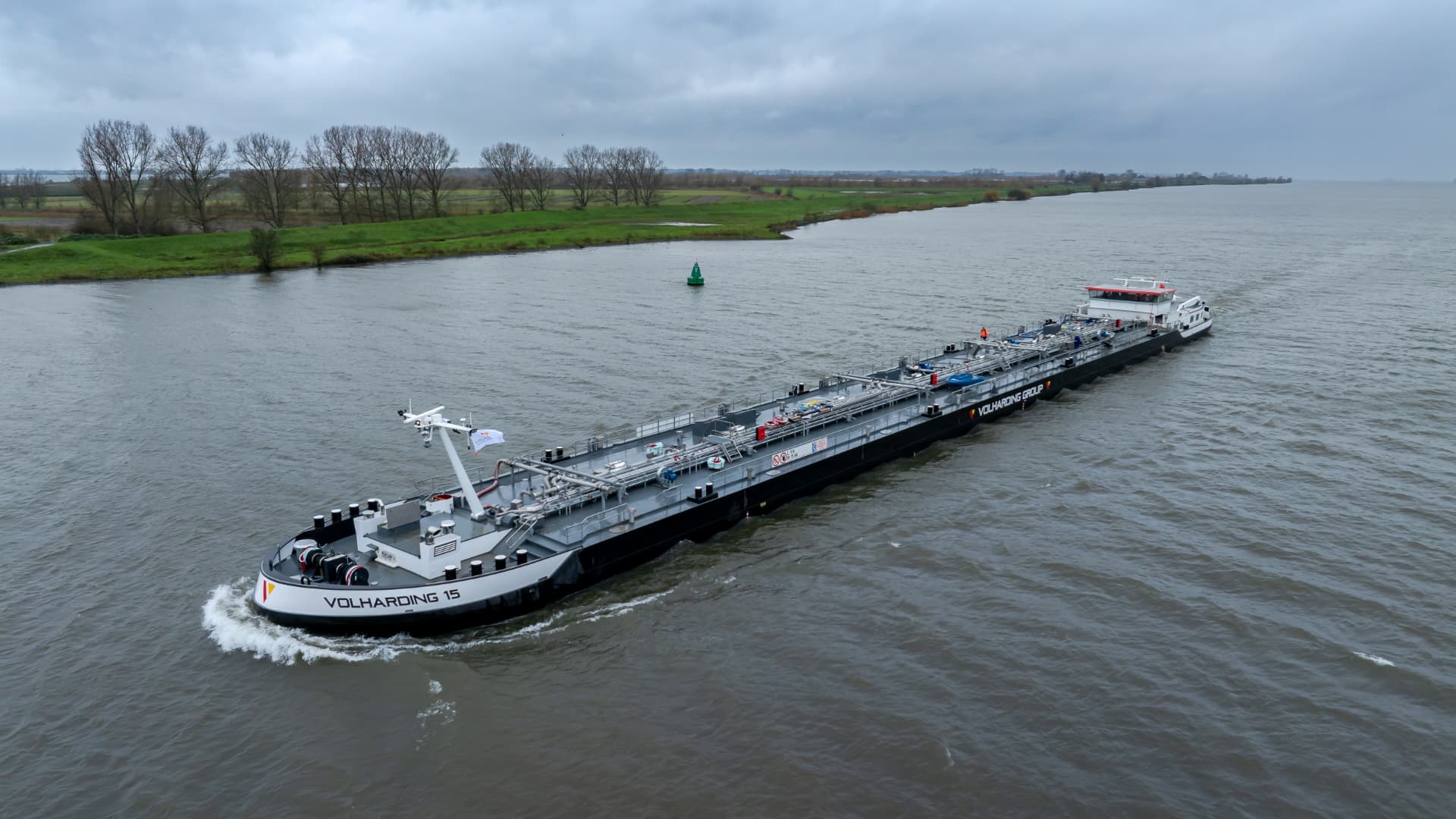
We measured what that is worth on the Volharding tanker fleet. Across 4,424 matched fuel and speed observations from three vessels, the fuel-optimal speed sits between 12.8 and 13.6 km/h. On a representative voyage of eight hours sailing, eight hours of mandatory rest and two more hours sailing, continuous sailing at that optimal speed cuts per-engine fuel burn by 54 to 56 percent. The vessel still arrives five to seven hours ahead of the rest-constrained schedule.
Less fuel means fewer emissions, today, on the existing engine. No new propulsion is needed to capture it.
Less accommodation, more cargo
The second effect sits in the hull. A conventional inland vessel carries living space for its full crew: cabins, galley, sanitary facilities. Every metre of that accommodation is a metre that does not carry cargo.
A newbuild designed for crew-reduced operation needs less of it. On our estimates, that frees up to 8 percent extra payload for the same vessel length. The same voyage, the same engine and the same fuel then move more tonnes. Emissions per tonne-kilometre fall without touching the propulsion at all.
This matters for the fleet renewal that is coming anyway. Owners such as HGK Shipping are planning large newbuild programmes for the next decade. Vessels ordered now will sail into the 2060s. Designing them around yesterday's crew model locks in yesterday's cargo capacity for forty years.
More voyages per hull, fewer hulls to build
The third effect is utilisation. Today a vessel's sailing day is capped by the working hours of the people on board. When the boatmaster has to rest, the vessel stops, however much cargo is waiting.
With shift-based remote operation, Remote Operators in a Remote Operation Center can take over and the vessel keeps sailing beyond those onboard hours. Each hull completes more voyages per week. Carrying the same freight then takes fewer vessels.
That matters for sustainability in a way the sector rarely counts. Every vessel that does not need to be built saves the steel, the shipyard energy and the embodied carbon that come with it. The greenest vessel is often the one you can do without.
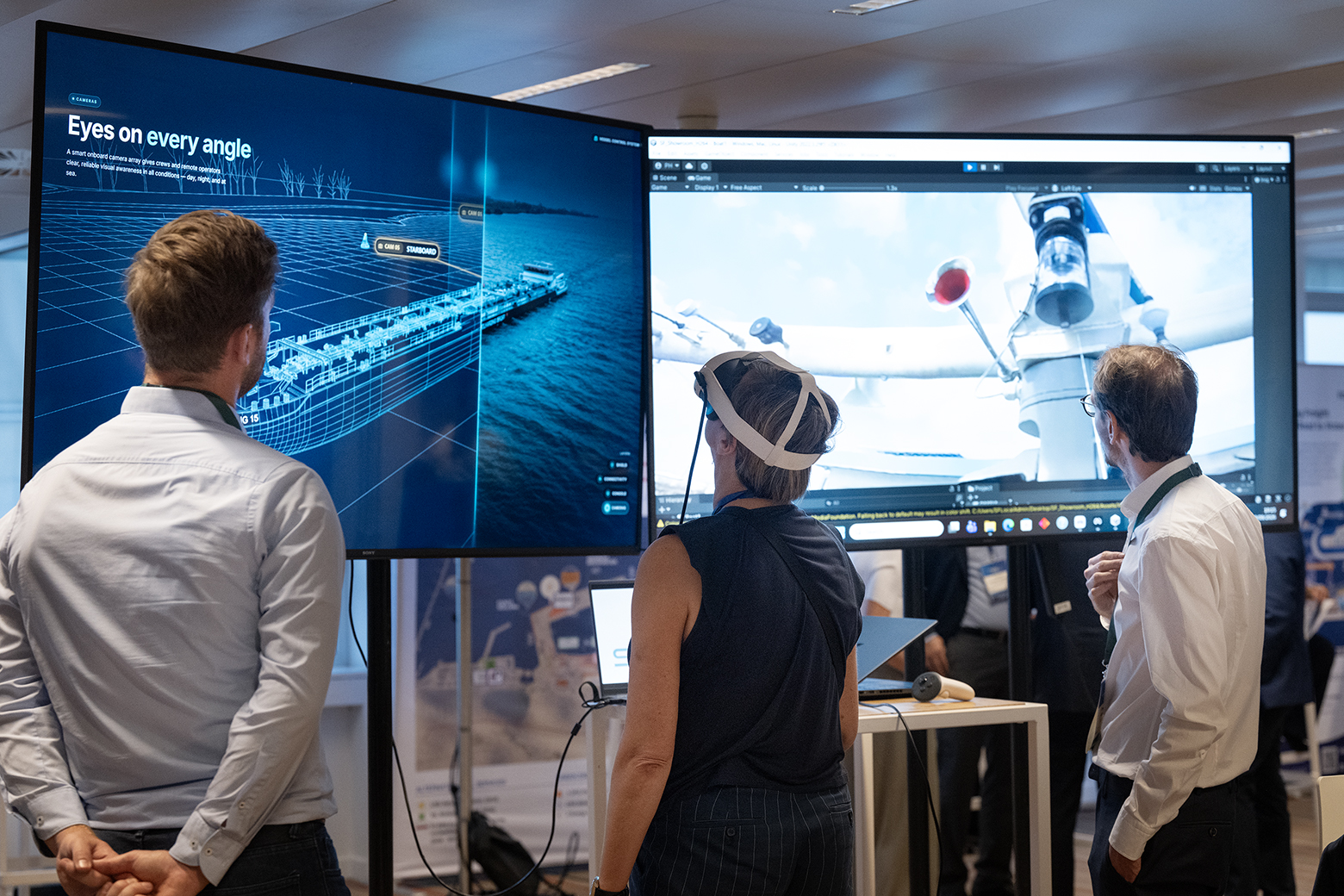
The same shift applies to people. A boatmaster on board spends much of the day waiting, at locks, at berth or off duty. Working from a Remote Operation Center, their productive time rises from roughly 40 percent to roughly 90 percent. The sector's scarcest resource is put to work where it adds the most.
Freeing the margin to invest
Put the effects together. A crew-reduced operating model lowers the fastest-growing cost line, cuts fuel through just-in-time sailing, adds cargo capacity on new hulls and gets more voyages out of every vessel. Each one improves the cost per tonne on the water. Together they rebuild the margin from which owners can finance cleaner propulsion.
Remote operations does not make a diesel engine zero-emission. It does not replace investment in alternative fuels, electrification or shore power. Anyone selling it as a climate solution on its own is selling something else.
What it does is remove a constraint that currently blocks those investments: a business case that crew costs are slowly hollowing out. The Green Deal will not be reached by vessels that cannot sail for lack of boatmasters, or by owners who cannot afford to renew. Fixing the operating model is not a detour from the energy transition. It is one of the conditions for it.
- Methodology note: Fuel figures are calculated from measured per-engine fuel curves on the Volharding fleet (Volharding 1, 15 and 17), February 2025 to March 2026, 245 operational hours, assuming crew-reduced sailing is permitted at mandatory rest points. This mode of operation is not yet generally in force. The payload uplift is a design estimate for newbuilds and the crew cost share is based on Seafar's reference vessel calculation.