HGK Shipping Wants 1,000 New Inland Vessels by 2035
HGK Shipping calls for a European fleet renewal programme: up to 1,000 low-water-capable inland vessels by 2035, at some 12.5 billion euros.
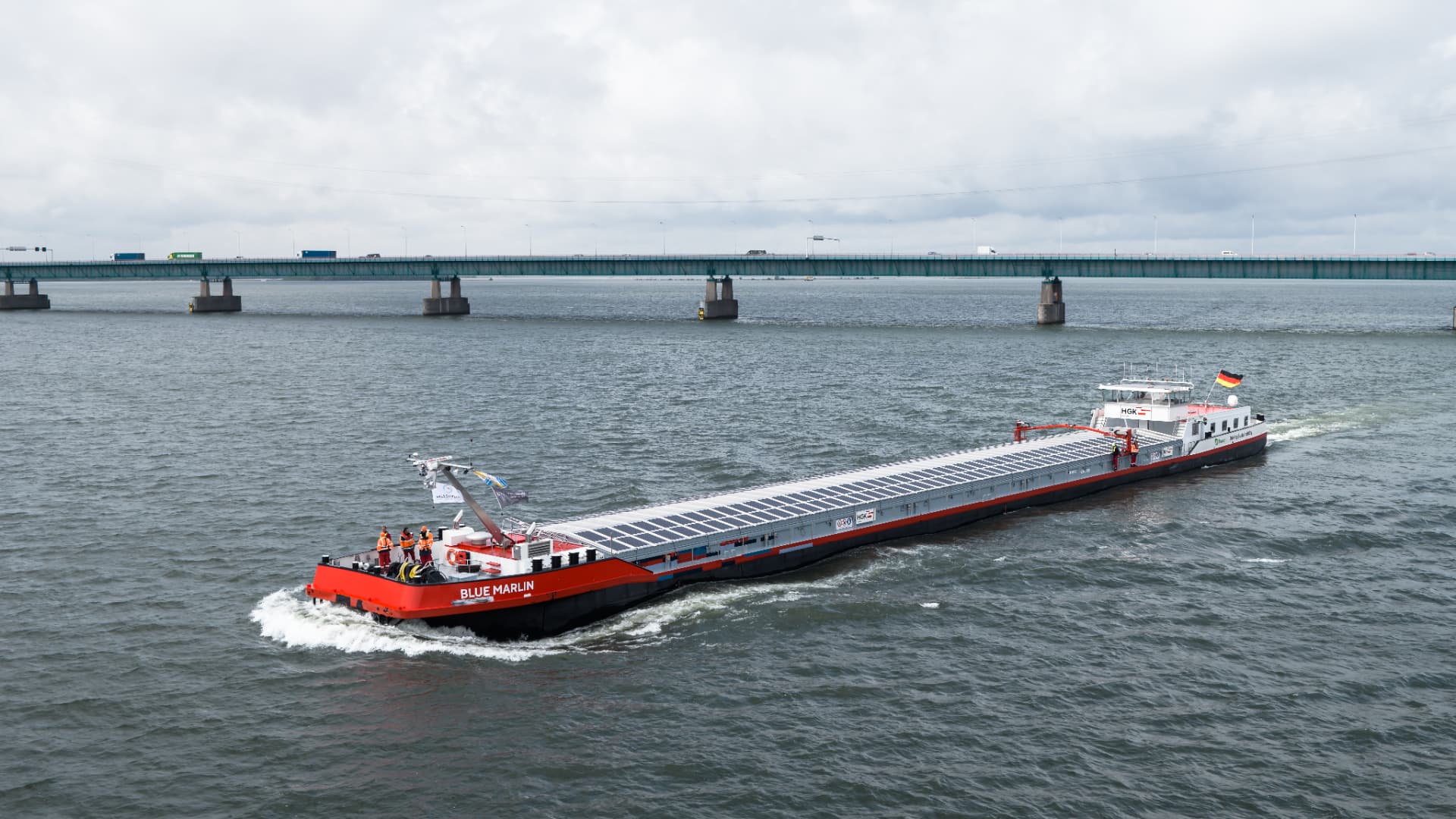
HGK Shipping wants up to 1,000 energy-efficient, future-proof inland vessels built before 2035. The German operator is calling for a long-term European programme to renew the inland fleet, with vessels that stay deployable at low water. On an average of 12.5 million euros per vessel, that is an investment volume of around 12.5 billion euros.
- HGK proposes a long-running 'Fleet Renewal Programme for Commercial Inland Waterway Shipping 2035'.
- Up to 1,000 new vessels, about 12.5 million euros each, some 12.5 billion euros in total.
- The CCNR counts roughly 7,800 dry cargo and tank vessels in the Rhine states; around 80 percent of the dry cargo vessels were built in the twentieth century.
- In 2024, just thirteen new dry cargo vessels and 38 tankers entered service.
- HGK asks the German government for a reliable financing framework to 2035, with support rates of up to 40 percent examined within EU state aid rules.
Schuttevaer is behind a paywall, so we are not reproducing the article here. The summary and our own reading follow; the link to the original is at the top and bottom of this page.
What HGK Is Proposing for Inland Shipping
HGK's case starts from the age of the fleet. The Central Commission for the Navigation of the Rhine counts some 7,800 dry cargo and tank vessels in the Rhine states, and roughly 80 percent of the dry cargo vessels date from the twentieth century. Replacement is not keeping pace: in 2024, thirteen new dry cargo vessels and 38 tankers entered service.
Against that, HGK chief executive Steffen Bauer argues for a long-term programme rather than incidental subsidies - a Fleet Renewal Programme for Commercial Inland Waterway Shipping 2035. Modern vessels, in HGK's view, need to do more than cope with low water. They have to suit future climate-friendly fuels and energy sources, and new vessel concepts can open up cargo flows that inland shipping does not carry today.
| Fleet renewal in numbers | Figure |
|---|---|
| Vessels HGK wants built before 2035 | Up to 1,000 |
| Average investment per vessel | About 12.5 million euros |
| Total investment volume | About 12.5 billion euros |
| Dry cargo and tank vessels in the Rhine states (CCNR) | Around 7,800 |
| Share of dry cargo vessels built in the twentieth century | Around 80 percent |
| New vessels entering service in 2024 | 13 dry cargo vessels, 38 tankers |
| State support rate HGK wants examined | Up to 40 percent |
Financing the Future of the Shipping Industry, and the Fairway
The financing question is where HGK sees the programme standing or falling. Smaller operators and independent boatmasters struggle to finance investments of this size, which is why HGK asks the German government to take a leading role and put a reliable framework in place through to 2035, with support rates of up to 40 percent examined within the European state aid rules.
Fleet renewal on its own is not enough, HGK argues. It has to go together with investment in the waterways: better loading depths on the Middle Rhine, improving and stabilising the riverbed of the Lower Rhine, and removing infrastructural bottlenecks. A vessel designed for low water still needs a fairway that behaves predictably.
New Inland Waterway Vessels Still Need Someone to Sail Them
There is a third variable alongside hull and fairway, and it is the one that is already scarce. The same period in which HGK wants 1,000 vessels delivered is the period in which Panteia projects a shortage of 1,500 to 2,000 boatmasters and helmsmen. A newer fleet that cannot be crewed does not move more cargo than an older one.
That has a practical consequence for vessel owners specifying a vessel now. A newbuild ordered in 2027 will still be sailing in 2050. The cost of designing it to be operated from shore - integrated vessel control, redundant and cyber-secure connectivity, camera and sensor coverage, a control transfer that the boatmaster onboard accepts or refuses - is a fraction of the cost of retrofitting it later, and a rounding error against 12.5 million euros. HGK knows this better than most: it holds the first permit in Flanders for remote control of a chemical tanker.
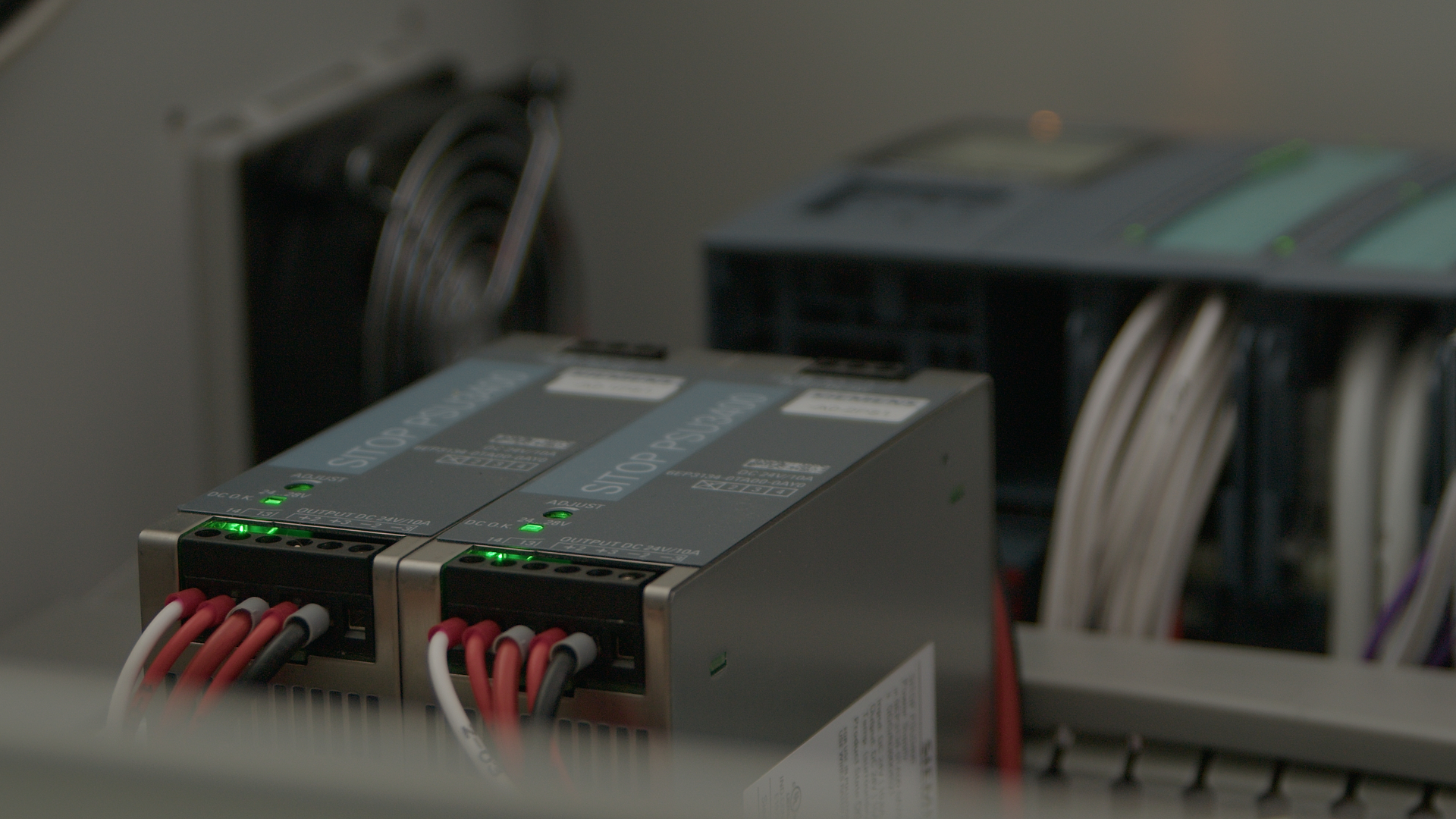
So the programme HGK is asking for and the regulatory clarity the sector is asking for on remote sailing are the same conversation. Fleet renewal decides how much cargo the sector can physically carry. Crewing decides how much of that capacity is actually usable. A vessel that is remote-ready from the keel up is the only version of a 2035 fleet that answers both questions at once.
Six Fleets, 500 Vessels: Make Haste With the Rules for Remote Sailing
Why six inland operators, HGK among them, are asking for a framework rather than for permission.
Read the articleSources
- Else van Andel, 'HGK Shipping: 1000 nieuwe schepen nodig voor 2035', Schuttevaer, 13 August 2026.
- Central Commission for the Navigation of the Rhine (CCNR), fleet figures as cited in the article.
- Panteia, Onderzoek Afstandsbediening Binnenvaart, January 2026, for the projected shortage of boatmasters to 2035.
Original article
Read the full article on SchuttevaerQuestions readers ask
How many new inland vessels does HGK think are needed?
Up to 1,000 before 2035, energy-efficient, future-proof and deployable at low water. At an average of 12.5 million euros per vessel that comes to an investment volume of around 12.5 billion euros.
Why is fleet renewal urgent now?
The CCNR counts around 7,800 dry cargo and tank vessels in the Rhine states, and roughly 80 percent of the dry cargo vessels were built in the twentieth century. In 2024 only thirteen new dry cargo vessels and 38 tankers entered service, so replacement is far behind the ageing curve.
Who is supposed to pay for it?
HGK asks the German government for a reliable financing framework through to 2035, with support rates of up to 40 percent examined within the European state aid rules, because smaller operators and independent boatmasters cannot carry investments of this size alone.
What does fleet renewal have to do with remote operations?
A vessel ordered now will sail for decades. Designing it to be operated from shore - integrated vessel control, redundant connectivity, camera coverage, a boatmaster-controlled transfer of control - costs a fraction of retrofitting it later, and the crew shortage that makes shore-based operation necessary is projected for exactly the same period.