Six Fleets, 500 Vessels: Make Haste With Remote Sailing Rules
Six inland fleets warn that shipping could lose a quarter of its sailing capacity within seven years unless the rules for remote sailing move faster.
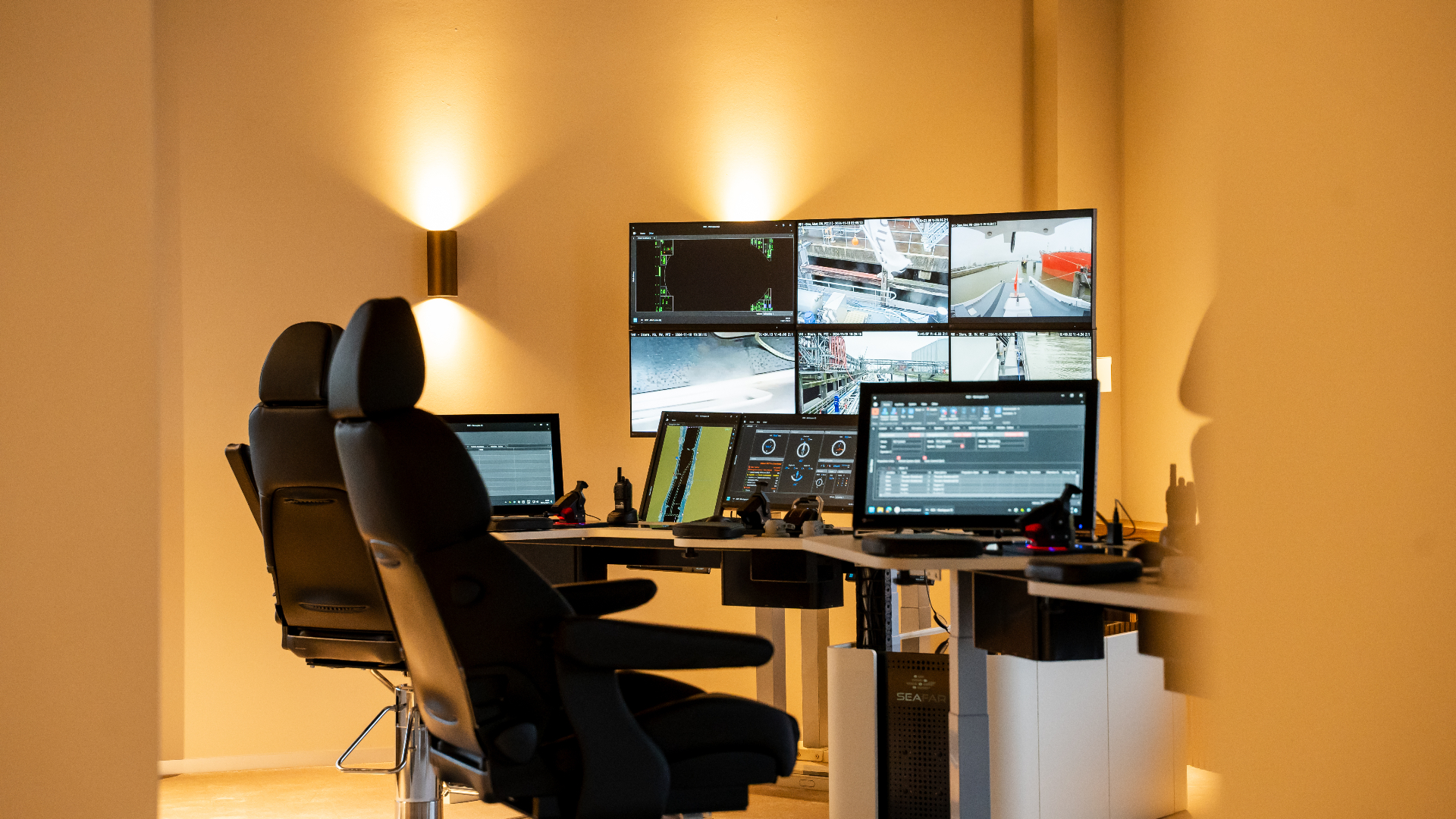
Inland shipping risks losing 25 to 30 percent of its sailing capacity within five to seven years. That is the warning six large market parties put to Schuttevaer in February 2026, in their joint response to Panteia's study on remote operation. Their argument is not that remote sailing is a promising innovation. It is that remote sailing has stopped being an innovation project and has become a measure needed to keep the fleet operational.
- Seafar, Deymann, HGK, Bosman Shipping Group, Dari and Naval Inland Shipping, together around 500 vessels, jointly asked for faster movement on remote sailing rules.
- Panteia puts the shortage of boatmasters and helmsmen at 1,500 to 2,000 by 2035.
- A permit application for remote sailing takes about a year and produces some 25 additional conditions, including an extra boatmaster in the remote operations centre while the vessel stays fully manned.
- Panteia's task analysis finds 35 to 45 percent of a boatmaster's working time on day voyages is technically suitable for remote support; 25 to 35 percent on 24-hour operations.
- Broad use of remote operations centres could cover roughly half of the expected shortage to 2035.
Schuttevaer is behind a paywall, so we are not reproducing the article here. What follows is a summary of the reporting and our own position; the link to the original is at the top and bottom of this page.
What Six Inland Shipping Fleets Say About Remote Sailing Rules
The shortage shows up daily in operations rather than in projections. Rosters do not close, costs rise, and vessels stay alongside because there is no crew available. The six parties represent roughly 500 vessels between them, which makes the observation harder to dismiss as anecdote.
Their point about scaling up is procedural. An application for remote sailing passes several desks and takes on average about a year before there is clarity. The outcome is around 25 additional conditions plus the obligation to position an extra boatmaster in the remote operations centre, while the vessel itself remains fully manned.
In other words: remote sailing is allowed, but without any reduction in crew.
In Flanders, lighter rules have applied for years. The companies argue that the difference makes the model more complex and more expensive without winning any structural capacity. They are explicit about valuing the cooperation with Rijkswaterstaat, the ILT and the ministry, and equally explicit that administrative direction is what is missing.
Why Remote Sailing and Reduced Crew Operations Stalled at Dari
The clearest illustration in the article is Dari Shipping in Dordrecht. The fleet built its own remote operations centre and invested hundreds of thousands of euros in the centre and in sailing hours. That centre is currently not in use, and the collaboration with us is on hold. The reasoning is simple arithmetic: as long as there is no prospect of crew reduction, a remote operations centre is an added cost that cannot be earned back.
What Panteia Calculated About the Inland Shipping Crew Shortage
The underlying study, Afstandsbediening Binnenvaart, was carried out by Panteia. It puts the shortage of boatmasters and helmsmen at some 1,500 to 2,000 towards 2035, driven by an ageing workforce, limited intake from training programmes and the departure of experienced people. Without additional measures, the gap between transport demand and available nautical capacity keeps widening.
| What Panteia measured | Finding |
|---|---|
| Shortage of boatmasters and helmsmen by 2035 | 1,500 to 2,000 |
| Share of working time suitable for remote support, day voyages | 35 to 45 percent |
| Share of working time suitable for remote support, 24-hour operations | 25 to 35 percent |
| Share of the expected shortage that remote operations centres could cover | Roughly half |
| Secondary effect identified | Better compliance with sailing and rest times |
The task analysis is the part worth dwelling on, because it answers the objection that remote operation removes the boatmaster. It does not. Navigation support, monitoring, communication and supervision can be organised differently, which makes qualified people deployable more efficiently. The person does not disappear; the geography of the work changes.
Remote Operations Centres: 25,000 Hours of Evidence
For us this is not an experiment, and the coalition put that plainly: it is already happening. Dozens of vessels now sail with remote support, four to five million euros have gone into technology, training and procedures, and the counter stands at more than 25,000 remote sailing hours without major incidents. That record is the argument. It is also the reason the six fleets are asking for a framework rather than for permission.
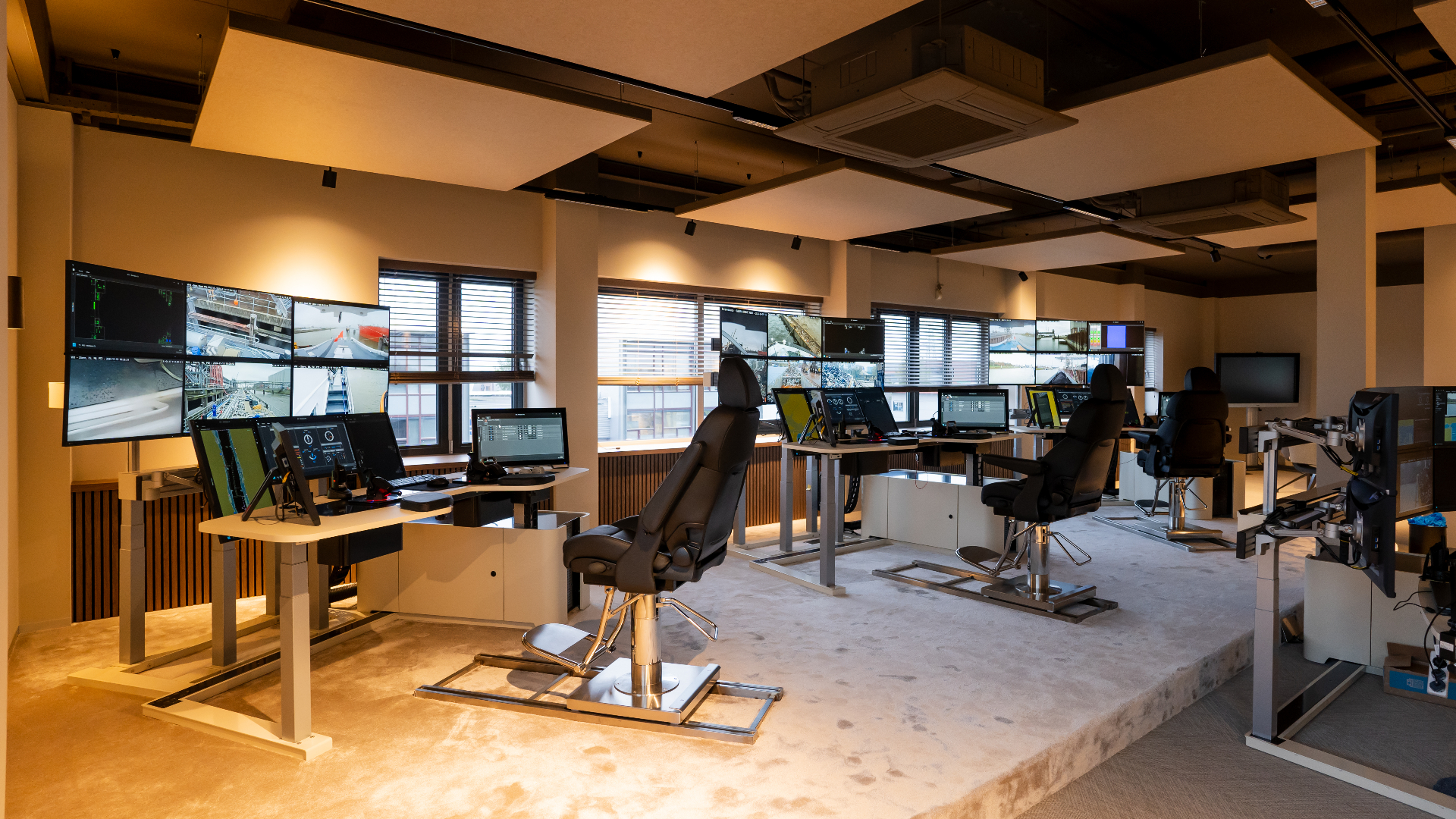
The request is specific. Which requirements have to be demonstrably in order? Under what conditions can crew be responsibly adjusted? And what is the shared end goal? Give us that framework, the fleets say, and we will supply the practice, the data and the transparency. We would add one thing to that: the same regulatory clarity that unlocks capacity also unlocks the fleet renewal the sector needs, because nobody specifies a vessel for 2035 without knowing how it will be crewed.
MARIN Mapped the Safety Risks of Remote Controlled Sailing
Eleven risk areas, and the conditions a remote operated vessel has to meet before crew can be reduced.
Read the insightSources
- Rene Quist, 'Binnenvaart dreigt stil te vallen: Maak haast met regels remote varen', Schuttevaer, 24 February 2026.
- Panteia, Onderzoek Afstandsbediening Binnenvaart, commissioned by Seafar, January 2026.
Original article
Read the full article on SchuttevaerQuestions readers ask
Which companies signed this?
Seafar, Deymann, HGK, Bosman Shipping Group, Dari and Naval Inland Shipping. Together they represent around 500 vessels.
How big is the shortage of boatmasters?
Panteia puts it at some 1,500 to 2,000 boatmasters and helmsmen towards 2035. The six fleets translate that into a loss of 25 to 30 percent of sailing capacity within five to seven years if nothing changes.
What exactly is blocking scale-up?
Not the technology. A permit application takes about a year, and the outcome is roughly 25 extra conditions plus an additional boatmaster in the remote operations centre while the vessel stays fully manned. Remote sailing is permitted, but without crew reduction, so the capacity gain does not materialise.
Does remote operation replace the boatmaster?
No. Panteia's task analysis found that 35 to 45 percent of working time on day voyages is technically suitable for remote support. Navigation support, monitoring, communication and supervision get organised differently, which makes qualified people deployable more efficiently.
How much remote sailing has actually been done?
More than 25,000 remote sailing hours without major incidents, across dozens of vessels, with four to five million euros invested in technology, training and procedures.