Inland shipping vs. road transport: transport costs, CO2 and capacity compared
Most companies that move goods choose the truck out of habit. Yet for many loads, inland shipping can be cheaper, cleaner and more reliable. In this guide we compare inland shipping and road transport on what matters to shippers: transport costs, CO2 emissions, capacity and speed. That way you can quickly see when moving freight by water pays off, and when the road remains the better choice.
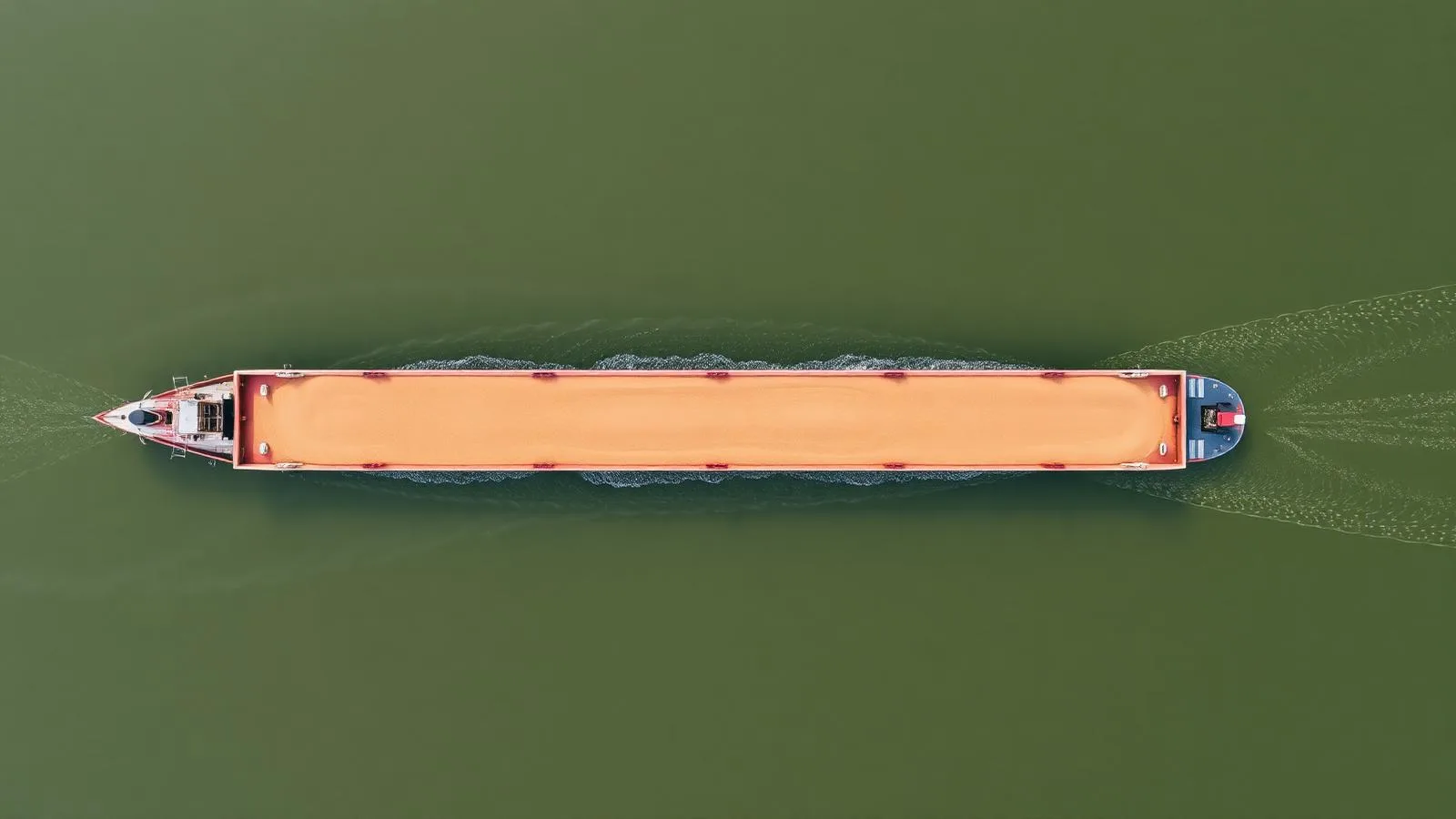
- For large volumes over medium and long distances, transport costs per tonne are usually lower by inland vessel than by road.
- A large inland vessel emits roughly three times less CO2 per tonne-kilometre than a heavy truck.
- One 1,200-tonne vessel replaces around 50 trucks; the largest Rhine vessels far more.
- Road transport remains stronger for small, urgent door-to-door shipments.
Transport costs: how do inland shipping and road transport compare?
Per tonne-kilometre, inland shipping is generally cheaper than road transport. The Netherlands Institute for Transport Policy Analysis (KiM) finds that road haulage is considerably more expensive per tonne-kilometre than inland shipping. The reason is scale: one vessel carries the load of dozens of trucks with one engine and a small crew.
But the transport price alone does not tell the whole story. A fair comparison looks at the total logistics cost. Research by the University of Antwerp shows that inland shipping has lower transport costs, but that other costs can offset them:
- Pre- and on-carriage: if your site is not on the water, a truck covers the first or last stretch.
- Transshipment: loading and unloading at a terminal costs money and time.
- Inventory costs: because a vessel is slower and carries larger batches, your capital is tied up in the goods for longer.
For bulk goods with a low value per tonne, such as building materials, raw materials or fuels, inland shipping therefore wins clearly. For high-value goods, the difference in total logistics cost becomes much smaller. The rule of thumb: the larger the volume, the lower the value per tonne and the closer the loading and unloading points are to the water, the lower your transport costs by inland vessel.
CO2 emissions of inland shipping vs. trucks
On climate, inland shipping performs strongly. Measurements by TNO for Topsector Logistiek put a large Rhine vessel at around 0.031 kg CO2 per tonne-kilometre, compared with around 0.105 kg for a truck over 20 tonnes with a trailer. That is roughly a factor of three. The Dutch Inland Shipping Information Agency (BVB) speaks of up to 3.5 times lower CO2 emissions.
Two nuances apply. First, a vessel's emissions vary widely: sailing upstream uses far more fuel than sailing downstream, up to a factor of three according to TNO, and load factor and sailing behaviour matter too. Second, inland shipping performs less well on nitrogen oxides and particulate matter: modern trucks meeting the latest emission standards often emit less NOx per tonne-kilometre than older ship engines. If you need to report CO2 emissions per shipment, for example under the CSRD, you can do so in line with ISO 14083.
Capacity: how many trucks does one inland vessel replace?
This is where the difference is greatest. Inland vessels carry from a few hundred to more than 6,000 tonnes of cargo. For the upgrade of the Albert Canal, it was calculated that one 1,200-tonne vessel replaces around 50 trucks. Rijkswaterstaat, the Dutch waterways authority, puts the figure for larger vessels on the widened Dutch canals at around 220 trucks per vessel.
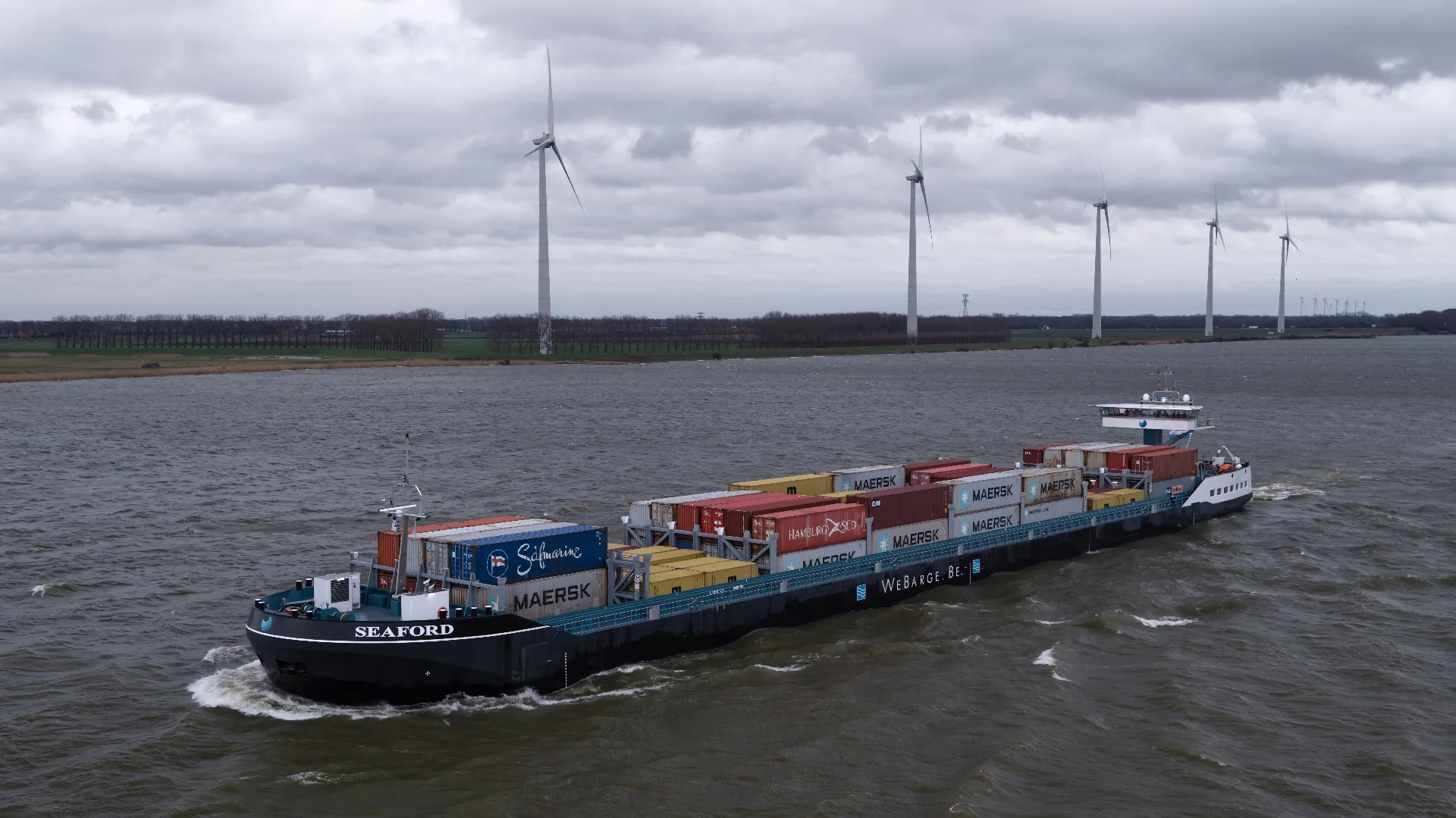
That also affects the roads. Almost 40 million tonnes of goods travel along the Albert Canal each year, the most important inland waterway in Flanders. Thanks to 31 raised bridges, vessels can now carry four layers of containers, increasing capacity by a quarter and keeping thousands of trucks off congested roads every day. For shippers around Antwerp this counts twice: around 40 percent of the goods that leave the port after arrival already do so by vessel.
Speed and flexibility: where road transport is stronger
A fair comparison also recognises the strengths of the truck. Road transport goes door to door, without transshipment. It is faster over short distances and more flexible for small or urgent shipments. If you order today and need delivery tomorrow, or ship just a few pallets, the road is often the better option.
Inland shipping has a different advantage: predictability. A vessel does not get stuck in traffic, and sails fixed routes with plannable arrival times. The biggest risk is low water on the Rhine during dry summers, when vessels can load less. Taking that into account in your planning, for example with smaller vessels or a buffer stock, limits the risk.
Inland shipping vs. road transport: the comparison at a glance
| Inland shipping | Road transport | |
|---|---|---|
| Transport costs per tonne-km | Low, especially for large volumes | Higher |
| Total logistics cost | Lowest for bulk with a low value per tonne | Competitive for small shipments and high-value goods |
| CO2 per tonne-km | Around 0.031 kg (large Rhine vessel) | Around 0.105 kg (truck > 20 t with trailer) |
| NOx and particulates | Higher for older engines | Low for modern trucks |
| Capacity per unit | A few hundred to more than 6,000 tonnes | Around 25 to 30 tonnes |
| Speed | Slower | Faster, especially over short distances |
| Flexibility | Fixed routes, transshipment needed | Door to door |
| Reliability | No congestion; low-water risk | Sensitive to congestion |
When should you choose inland waterway transport?
Inland shipping delivers most when you can answer yes to most of these questions:
- Do you move large volumes, or can you bundle shipments into full vessel loads?
- Are the goods of relatively low value per tonne, such as bulk, building materials, fuels or containers?
- Is your origin or destination on the water, or close to a container terminal?
- Is your delivery window plannable, so a slightly longer transit time is not a problem?
- Do you want to reduce your CO2 emissions per shipment, for example for your CSRD reporting?
If you answer yes three or more times, a concrete comparison is worthwhile. This process, shifting freight from road to water, is called modal shift.
What holds inland shipping back: the crew shortage
If inland shipping has so many advantages, why doesn't more cargo go by water? A major brake is people. There are too few boatmasters: a shortage of 1,500 to 2,000 boatmasters is expected by 2035. That drives up costs. According to a Seafar reference calculation, crew costs already account for around 40 percent of the operating costs of a traditionally crewed vessel.
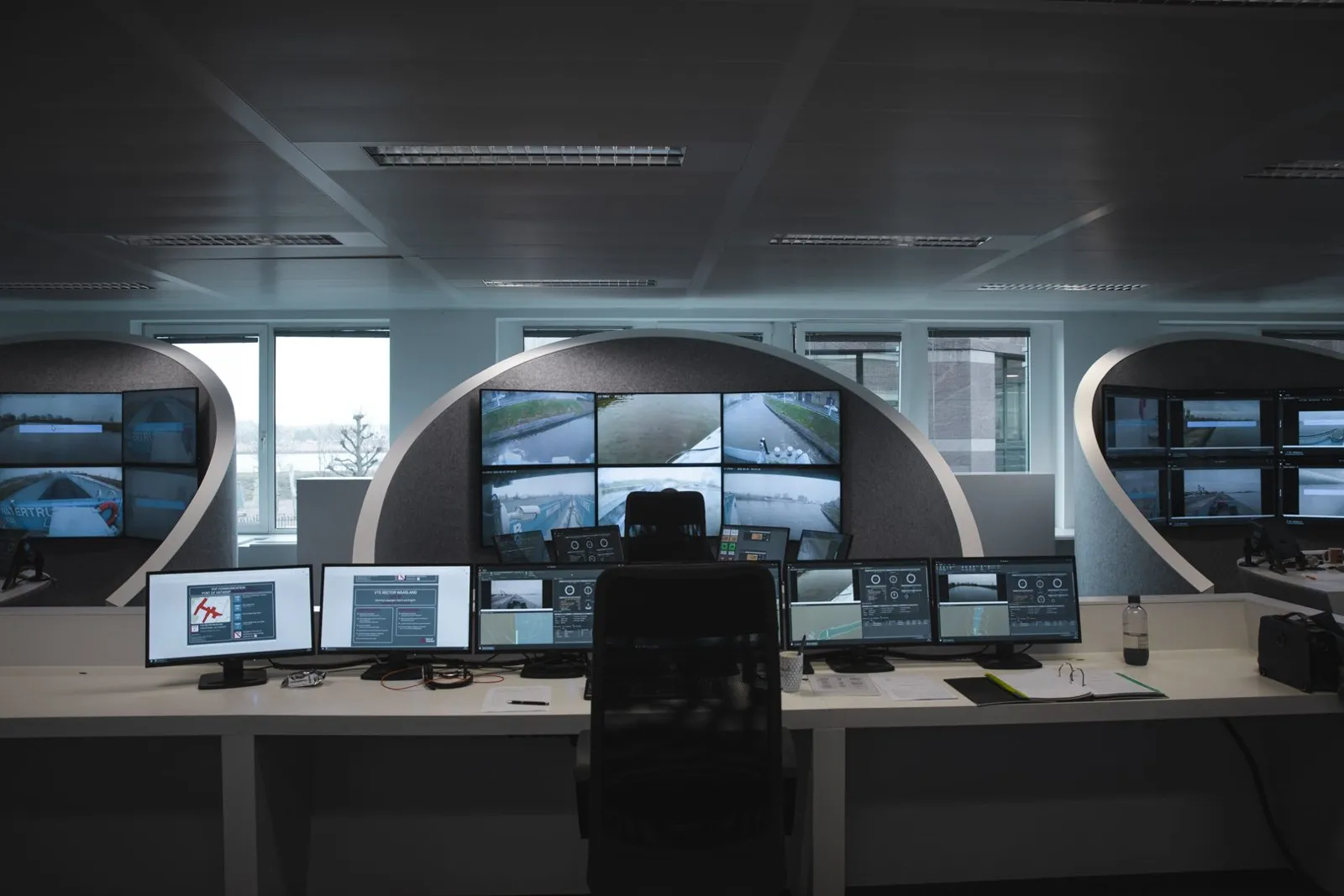
On top of that, a vessel has to stop when the boatmaster reaches the mandatory rest time, even if the cargo is waiting. Remote operation tackles both bottlenecks. A certified Remote Operator in a Remote Operation Center (ROC) takes over tasks from the crew on board, so vessels can keep sailing longer and, where the rules allow, with a smaller crew. In Flanders this is already permitted today; for the Rhine, the Central Commission for the Navigation of the Rhine is working on the rules. That keeps inland shipping affordable, even as the labour market stays tight.
Curious what inland shipping or remote operation means for your transport costs? Run the numbers with our business case calculator.
Frequently asked questions about transport costs and inland shipping vs. road transport
Is inland shipping cheaper than road transport?
Per tonne-kilometre usually yes, especially for large volumes over longer distances. For a fair comparison, also include pre- and on-carriage, transshipment and inventory costs. For bulk with a low value per tonne, inland shipping is then usually the cheapest.
How much less CO2 does inland shipping emit than a truck?
A large Rhine vessel emits around 0.031 kg CO2 per tonne-kilometre, compared with around 0.105 kg for a heavy truck with trailer. That is roughly three times less. Exact emissions depend on sailing direction, load factor and the vessel.
How many trucks does one inland vessel replace?
A 1,200-tonne vessel replaces around 50 trucks. The largest inland vessels replace around 220.
When is road transport the better choice?
For small, urgent shipments, short distances and door-to-door deliveries without access to the water.
What are the disadvantages of inland shipping?
Inland shipping is slower, usually requires transshipment and pre- or on-carriage, and is sensitive to low water on the Rhine. Older ship engines also emit more nitrogen oxides and particulates than modern trucks.
What is modal shift?
Modal shift is the move of freight transport from road to other modes, such as inland shipping or rail, to reduce costs, emissions and congestion.
Sources for this comparison of inland shipping and road transport
- Netherlands Institute for Transport Policy Analysis (KiM), Insight into the costs of rail freight transport (2020, in Dutch)
- Blauwens, Janssens, Vernimmen and Witlox, University of Antwerp, Modal choice in freight transport based on total logistics cost (in Dutch)
- TNO for Topsector Logistiek, Meten op schepen (2023, in Dutch)
- Bureau Voorlichting Binnenvaart, information for shippers (in Dutch)
- Arcadis, Albert Canal upgrade
- Rijkswaterstaat, 1 vessel instead of 220 trucks (February 2025, in Dutch)
- Panteia, expected boatmaster shortage by 2035