Taking Remote Operation to the Moselle
Together with THG and Elan Shipping, we are applying for the first permit for remote navigation on the Moselle. The agreement was signed on board the vessel it concerns.
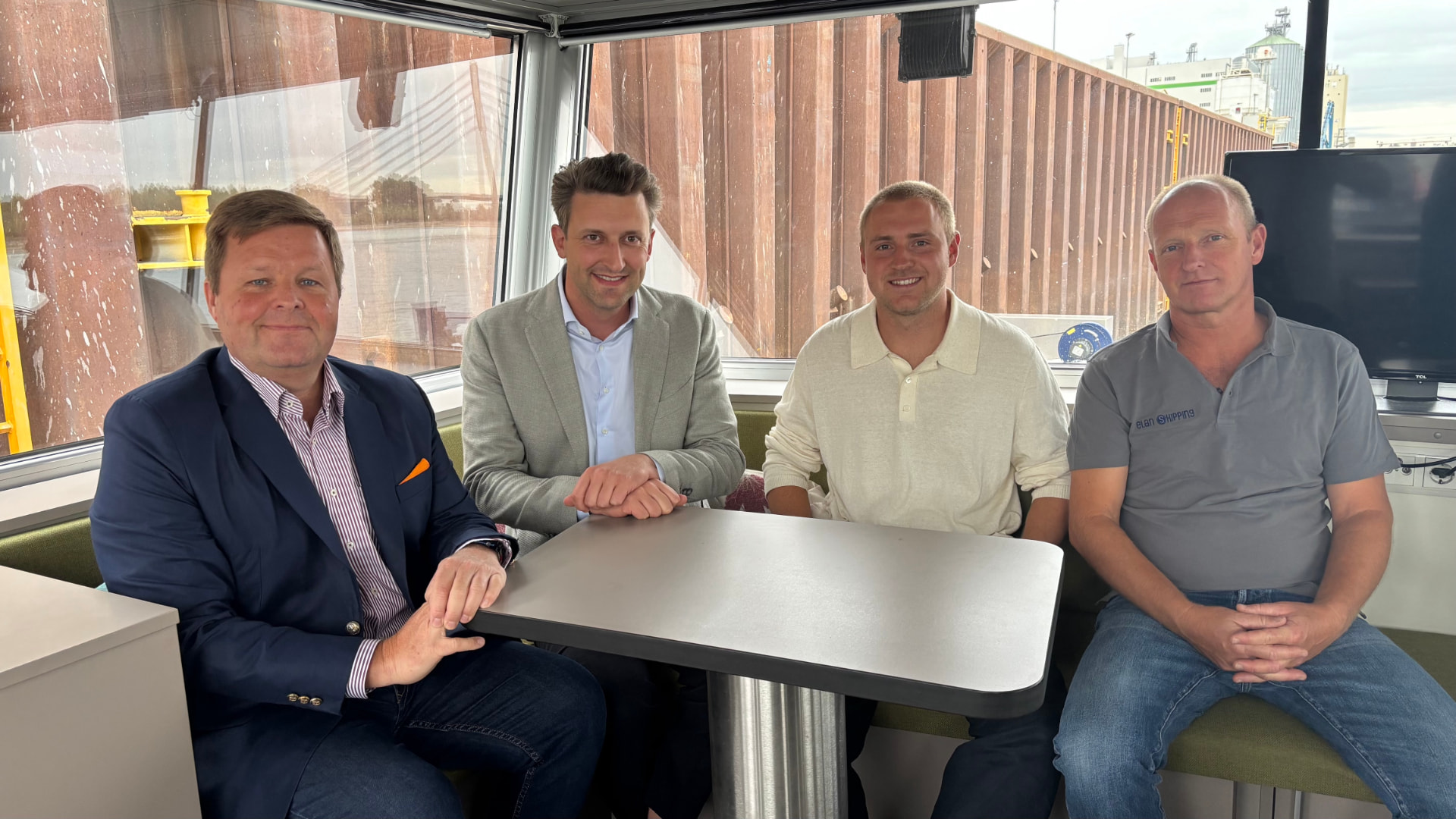
On 29 September we signed a cooperation agreement with THG Transportvermittlungs- und Handelsgesellschaft and Elan Shipping. It commits the three of us to one objective to begin with: a permit that allows vessels on the Moselle to be supported from shore.
The signing took place on board the motor vessel Elan, which seemed the right place for it. This is not a framework agreement about future intentions. It concerns a specific river, a specific vessel and a procedure that starts now.
Who We Are Taking Remote Operation to the Moselle With
THG is a German charterer with a branch in Duisburg and a network of privately owned vessels sailing on its account. Elan Shipping, based in Marktheidenfeld, owns and operates the vessel that will go first.
That combination matters more than it might appear. A charterer brings the volume and the network, an owner brings the vessel and the crew who will actually work with the system, and we bring the technology and the people trained to operate it. Remote operation only reaches a fleet when all three are in the same room.
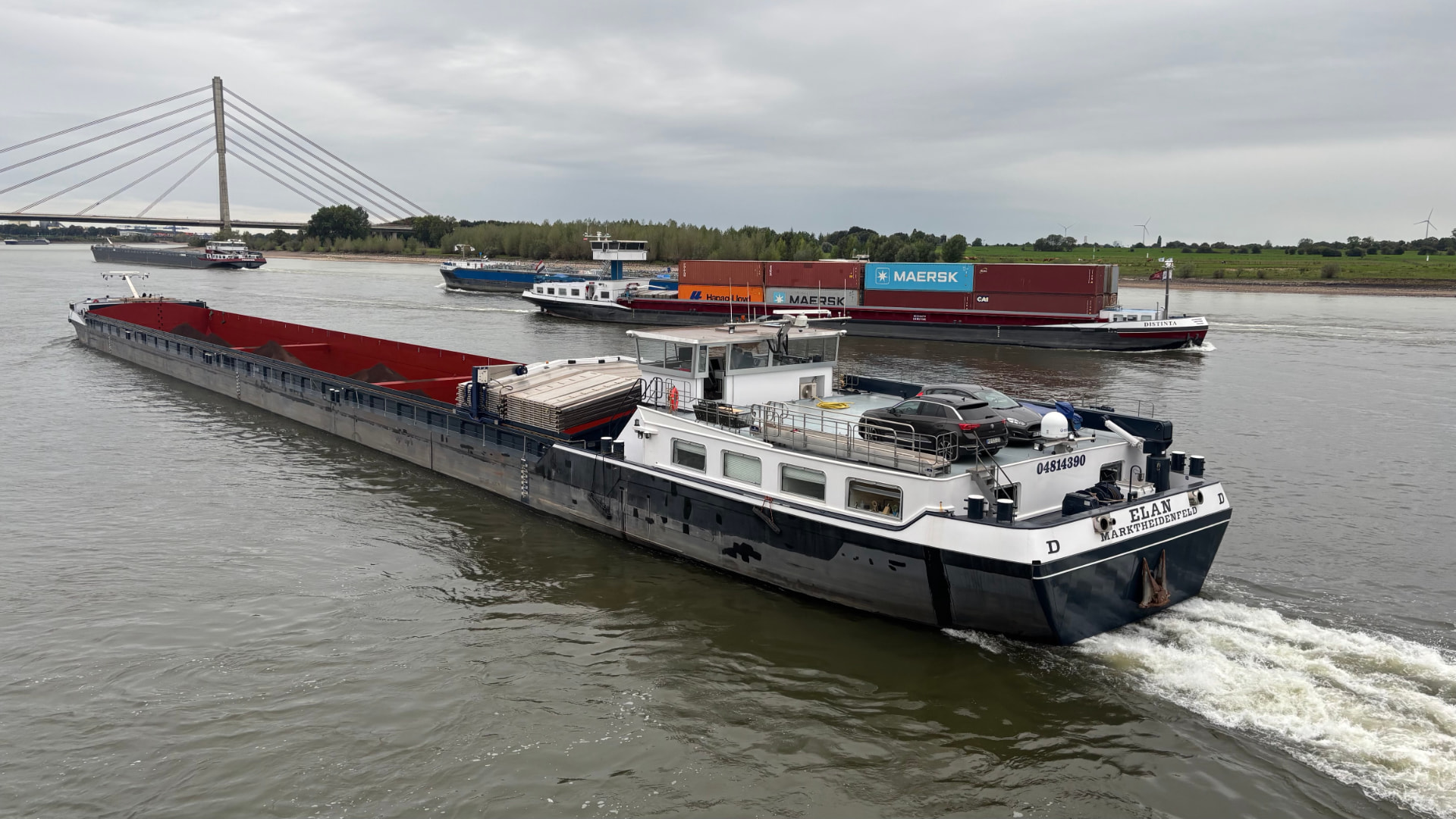
Beyond this first vessel, we are examining together how the system could be fitted to more of the privately owned vessels that sail for THG or are connected to its network.
Why the Moselle Permit Is a Step, Not an Extension
Most remote operation in Europe takes place on Flemish waterways and on the Rhine. The Moselle has its own authority and its own permitting process, and nothing from an existing permit transfers to it automatically.
So the work ahead of us is as much regulatory as it is technical. The equipment is proven. What has to be built is the evidence that a vessel supported from shore is at least as safe on this river as one that is not, and the agreement with the authority that follows from it.
That is deliberately slow. Every permit in this sector has been granted case by case, against evidence, and we would rather it stayed that way.
The shortage of qualified boatmasters is not improving. Wages have risen for years and the number of people entering the profession has not followed. At the same time low water is pushing up the number of voyages needed to move the same cargo, which means more sailing hours drawn from the same group of people.
Remote operation does not solve that. What it does is let the hours that are available go further, on a river where they are needed.
What Happens Next for THG, Elan Shipping and Seafar
We are working through the permit procedure with both partners. Once it is in place, the next vessels in the THG network will be prepared.
Together with Seafar and Elan we are taking the first step towards remote navigation on the Moselle, and we hope more vessels from our network will follow.
THG and Elan are showing real courage and an innovative mindset. We are grateful for their confidence.
What Is Remote Vessel Operations in Inland Shipping?
How shore-based navigation works, how it differs from autonomous shipping and where it is permitted in Europe today.
Read the guide