KPMG: Tanker Safety Is Structurally Under Pressure From the Crew Shortage
KPMG links eroding safety in tanker and chemical shipping to inexperienced boatmasters, language barriers and too few safety advisers on board.
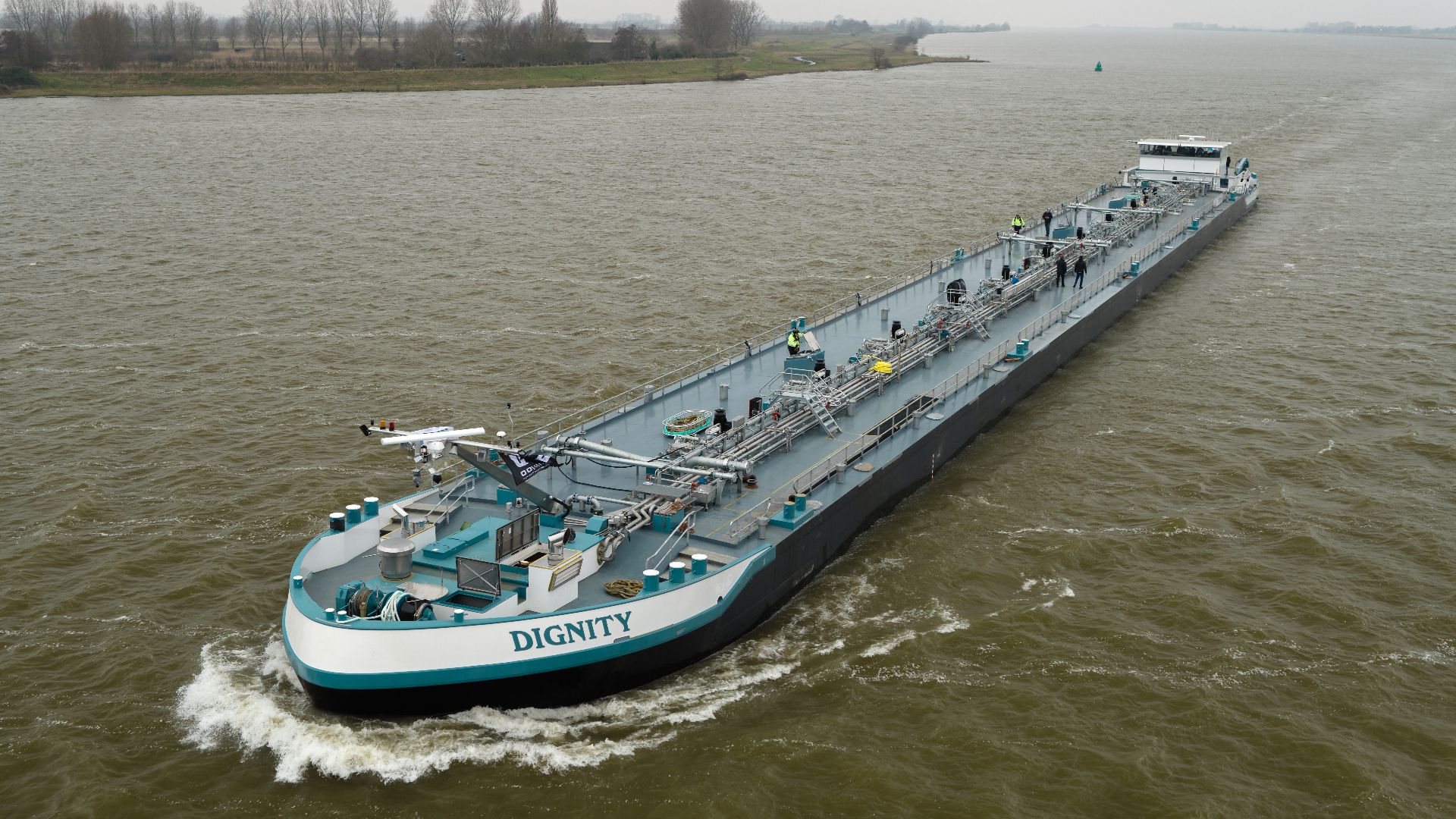
Safety in tanker and chemical shipping is structurally under pressure, and the cause is the labour market. That is the conclusion of a KPMG report commissioned by the Dutch Ministry of Infrastructure and Water Management, published in December 2025. Too often there is an inexperienced boatmaster at the helm, and deck crew do not command the working language well enough. The researchers warn of sloppiness that would not occur under normal circumstances.
- KPMG identifies three main causes: insufficiently experienced boatmasters, the language barrier with foreign crew, and an acute shortage of safety advisers.
- Safety adviser courses are regularly cancelled for lack of interest, and the pass rate sits around 40 to 45 percent. Some advisers serve dozens of companies at once.
- German is the working language in chemical shipping, and command of it is often insufficient, which causes misunderstandings during loading and unloading.
- KPMG recommends letting simulator hours count officially towards the boatmaster's certificate.
- The sector sees semi-autonomous and remote sailing as the most important means of relieving personnel pressure, but will not commit while clear legislation is missing.
Schuttevaer is behind a paywall, so we are not reproducing the article here. The summary below follows the reporting; the link to the original is at the top and bottom of this page.
Three Root Causes in Tanker Safety and Maritime Crew Management
For the study, KPMG spoke broadly with inland shipping operators, chemical companies, safety advisers, the Dutch inspectorate ILT and trade associations. The conclusion is unambiguous: companies are compelled to deploy crew who are insufficiently familiar with the ADN rules or with the specific handling behaviour of the vessel, and that is producing an increase in near-misses and collisions.
Sloppiness that would not occur under normal circumstances.
The Safety Adviser Bottleneck in Vessel Safety Management
The shortage of safety advisers is the finding that should worry the sector most, because it removes the mechanism that catches the other problems. Training courses are regularly cancelled for lack of applicants, and the pass rate stays around 40 to 45 percent. The result is that current advisers sometimes serve dozens of companies at the same time. Onboard inspections then fall by the wayside, and signals of unsafe situations get missed.
Language Barriers in Tanker Crew Management
Risk is also rising on deck. With crew arriving from outside the EU, command of German, the working language in chemical shipping, is often insufficient. Because much of this crew falls under only minimal ADN requirements, misunderstandings arise during loading and unloading. Companies may also design the mandatory ADN awareness course themselves, which produces wide differences in quality: one operator has it tightly organised, while instruction on another vessel falls short. Under high workload, administrative checks are sometimes skipped and personal protective equipment is not always used correctly.
What Fatigue Means for Tanker Vessel Safety
Two examples from the report make the abstraction concrete. The first is what KPMG calls the distrustful boatmaster. During loading and unloading the boatmaster is supposed to be asleep, but many stay awake out of distrust of their crew's competence. Language barriers and doubt about whether the deckhand really understands the procedure mean the master does not dare close their eyes. The consequence is boatmasters starting a voyage overtired.
The second shows that the distrust is not unfounded. In one incident a vessel listed and threatened to capsize; in the stress of the situation the Filipino crew turned out to have insufficient English to understand the master's emergency instructions. Communication broke down and the vessel had to be stopped. Employers add that they can barely verify the authenticity of foreign ADN and navigation certificates, and applicants sometimes cannot answer simple knowledge questions that belong to their diploma. The sector is asking for a central database to end fraud with purchased certificates.
KPMG's Recommendations for Maritime Crew Training
KPMG puts a series of recommendations to the ministry. Look at ways to increase the intake of crew and safety advisers, possibly by widening access for deck crew from outside the EU. Modernise training: the most striking proposal is to let hours in the navigation simulator count officially towards the certificate, which they currently do not, even though the sector considers the simulator the only place where emergencies can be trained safely and effectively. In practice, onboard training increasingly falls short. Under high workload and real risk, the boatmaster takes the helm directly in difficult situations, so the trainee never experiences it. KPMG also calls for smarter supervision by the ILT and a system for learning from near-misses.
Remote Sailing and Reduced Crew Operations
One finding in the report is a direct message to policymakers, and it is the same message six inland fleets delivered two months later. The sector sees semi-autonomous sailing and remote operation as the most important means of relieving the personnel pressure. Companies do not yet dare to commit to it fully as long as clear legislation and regulation are missing. KPMG therefore advises the ministry to make haste with those frameworks.
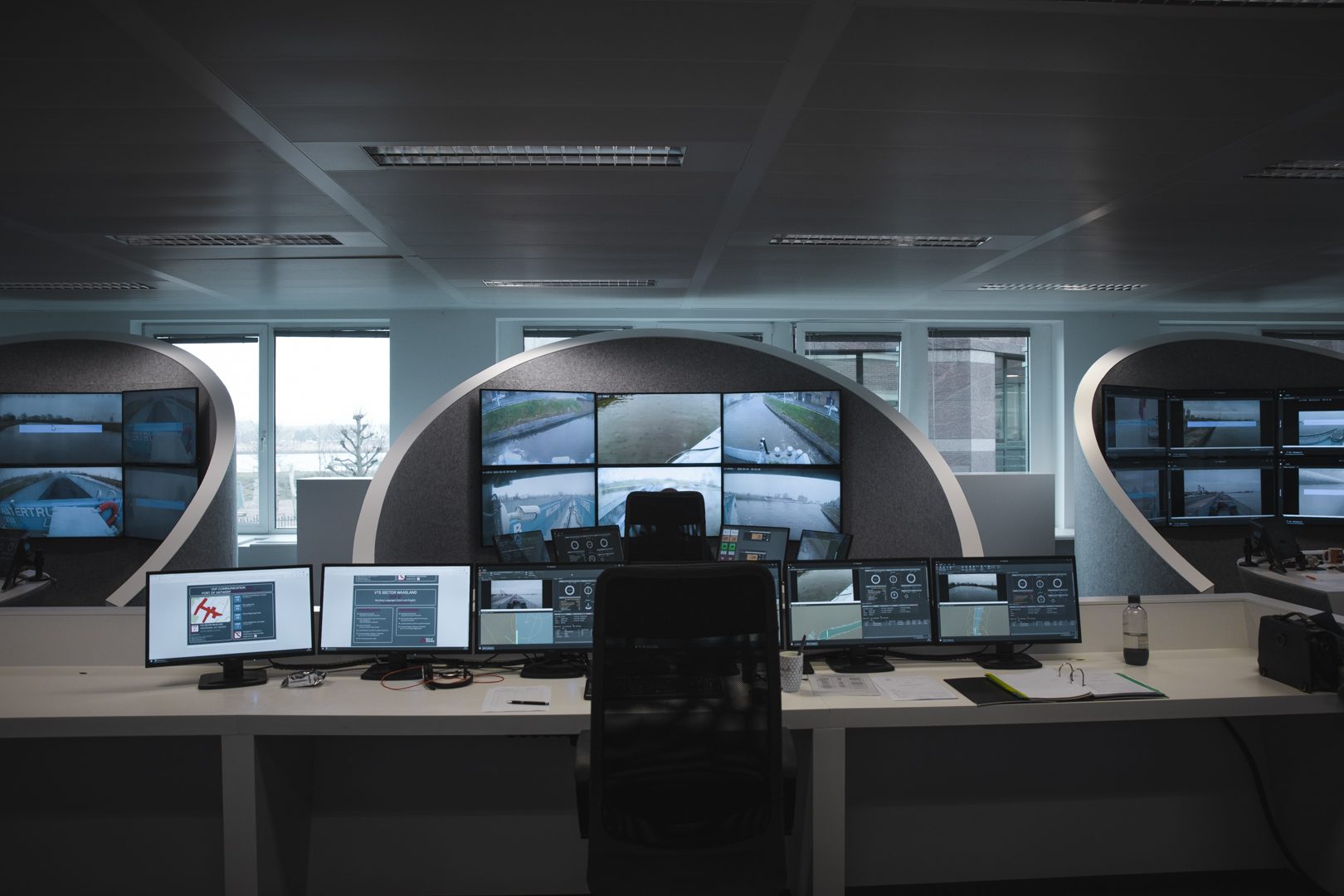
It is worth being precise about what that would fix. Remote operation does not solve a language barrier on deck or replace a safety adviser. What it does is change where qualified nautical capacity has to be physically present, so that the boatmasters who are available can be deployed where their experience counts most, instead of being consumed by hours that a shore-based operator can cover. A training recommendation like counting simulator hours points the same way: certified, structured, reproducible training is exactly how shore-based operators are qualified.
The Inland Shipping Crew Shortage Is Structural, Not Cyclical
Why the shortage of qualified boatmasters is a permanent shift, and what it means for how professional fleets are run.
Read the insightSources
- Rene Quist, 'KPMG: veiligheid tankvaart structureel onder druk door personeelsgebrek', Schuttevaer, 17 December 2025.
- KPMG report on safety in tanker and chemical shipping, commissioned by the Dutch Ministry of Infrastructure and Water Management (IenW), December 2025.
Original article
Read the full article on SchuttevaerQuestions readers ask
What did KPMG investigate?
Safety in tanker and chemical shipping, on behalf of the Dutch Ministry of Infrastructure and Water Management. The researchers spoke with inland shipping operators, chemical companies, safety advisers, the ILT and trade associations.
What are the three main causes it identifies?
The deployment of insufficiently experienced boatmasters, the language barrier with foreign crew, and an acute shortage of safety advisers.
Why is the shortage of safety advisers such a problem?
Because it removes the mechanism that catches the other problems. Courses are regularly cancelled for lack of interest and the pass rate is around 40 to 45 percent, so current advisers sometimes serve dozens of companies, onboard inspections are skipped and warning signals are missed.
What does the report say about remote sailing?
The sector sees semi-autonomous sailing and remote operation as important ways to relieve personnel pressure, but does not dare commit fully while clear legislation is missing. KPMG therefore advises the ministry to make haste with those frameworks.
What is the recommendation about simulators?
Hours in the navigation simulator should count officially towards the boatmaster's certificate. They currently do not, while the sector regards the simulator as the only place where emergency situations can be trained safely, repeatedly and with direct feedback.